
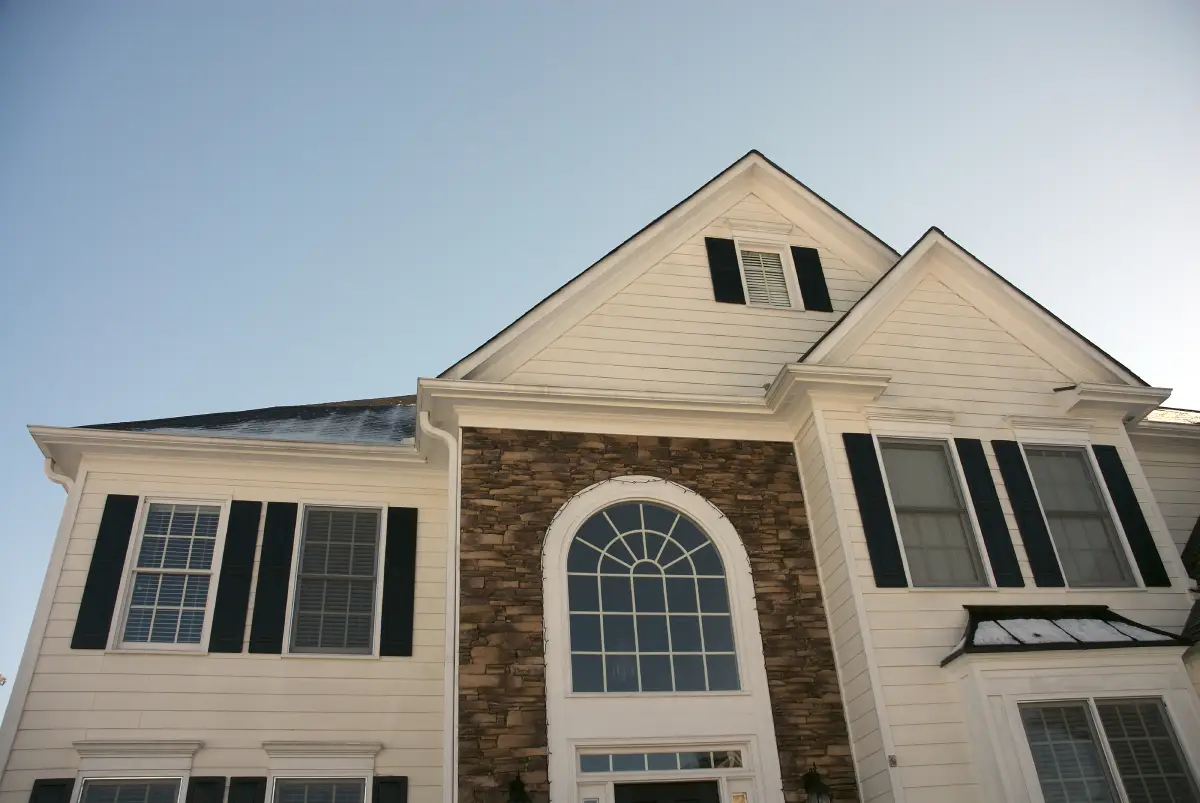
Momentum often builds once owners dig into insights like real estate investing basics, where the differences between property types become easier to spot. Single-family homes tend to operate with fewer shared systems, clearer ownership responsibility, and less operational drag than multifamily properties. At PMI Presidential, we manage strictly residential properties, and we help owners turn those advantages into repeatable results that support long-range goals.
The sections below outline how single-family homes shape operational efficiency, pricing flexibility, tenant stability, and portfolio planning across Richmond’s residential rental market.
Key Takeaways
- Single-family homes reduce operational friction by eliminating shared infrastructure.
- Private outdoor space often leads to longer tenancies in Richmond neighborhoods.
- Flexible layouts support tenant retention as household needs change.
- Neighborhood-level competition allows for steadier rent positioning.
- Predictable maintenance simplifies long-term financial planning.
Lower Density Brings Day-to-Day Clarity
Every rental creates decisions, yet the structure of the property often determines how complex those decisions become. Single-family homes tend to keep management more focused.
Multifamily properties rely on shared infrastructure, which increases coordination. Parking disputes, common-area upkeep, and noise complaints often create ongoing communication loops. Even well-maintained buildings can generate frequent touchpoints.
Single-family homes naturally reduce those layers. Tenants enter through their own doors, manage their own living spaces, and interact less with neighboring households, which often leads to fewer interruptions and clearer routines.
Defined responsibility lines
When something needs attention, it usually affects one household and one system. That clarity speeds decisions and simplifies vendor coordination.
Fewer tenant conflicts
Many recurring issues in higher-density housing stem from proximity. Single-family homes limit those interactions, reducing disputes and follow-up communication.
Outdoor Space That Encourages Tenants to Stay
Outdoor features often play a decisive role for renters seeking comfort without committing to ownership. In Richmond, yards, porches, and patios can significantly influence how long tenants remain in place.
A yard provides room for pets, relaxation, and everyday routines that apartments struggle to offer. That livability can turn a rental into a long-term solution rather than a temporary stop.
Outdoor features that frequently support retention include:
- Yard space suitable for daily use and pets
- Covered porches or patios that extend living areas
- Driveways or garages that reduce parking friction
Owners who think strategically soon after acquisition often reference guidance like post-purchase planning to prioritize improvements that matter most to tenants.
Layout Flexibility That Supports Modern Living
Tenant turnover often happens when a home no longer fits daily life. Single-family homes can delay that moment by offering adaptable layouts.
Richmond renters include families, professionals, and long-term residents who value space flexibility. Extra bedrooms, bonus rooms, and defined living areas allow households to evolve without relocating.
Rooms that change purpose
A spare bedroom can become a home office or creative space. When tenants can adjust their environment instead of moving, renewal likelihood often improves.
Separation that reduces stress
Clear separation between living, sleeping, and working areas supports calmer routines, especially for households balancing remote work and family life.
Pricing Flexibility Driven by Neighborhood Demand
Pricing pressure behaves differently when rentals do not compete internally. Single-family homes typically compete within their surrounding neighborhood rather than against identical units.
This structure allows owners to adjust pricing based on condition, features, and location without reacting to building-wide shifts. That flexibility often supports steadier income over time.
National trends reinforce this distinction, with single-family rents running 20% higher than multifamily rents, highlighting the pricing separation between property types.
Unique features retain value
Homes vary by layout, yard size, upgrades, and street placement. That variation allows pricing to reflect real value rather than forced uniformity.
Vacancies remain contained
One vacancy does not trigger concessions across multiple units, which helps owners stay disciplined with rent strategy.
Maintenance That’s Easier to Anticipate
Maintenance complexity increases when systems are shared. Single-family homes simplify that reality.
Repairs typically affect one household, making scheduling easier and budgeting more predictable. Preventive maintenance becomes simpler to plan, and communication stays direct.
Common multifamily challenges detached homes often avoid include:
- Shared plumbing lines requiring multi-unit access
- Common-area lighting or gate failures
- Infrastructure issues impacting several residents
Owners tracking long-term performance often review insights like investment ROI strategies to connect maintenance trends with financial outcomes.
Risk and Insurance Planning for Residential Assets
Risk is part of rental ownership, yet density shapes how that risk is managed. Single-family homes typically involve fewer shared liabilities, which can simplify coverage decisions.
Insurance requirements continue to evolve and staying informed supports better planning. Many Richmond owners review long-term investment strategies to align coverage, reserves, and risk tolerance with future goals.
Clear boundaries improve response
With fewer shared elements, it becomes easier to define maintenance responsibility, reducing disputes and improving response times.
Portfolio Growth With More Control
Single-family homes often provide flexibility for owners building or refining a portfolio. Expansion can happen gradually, allowing systems and reserves to scale alongside growth.
Owners who take a strategic approach often benefit from resources like portfolio planning guidance when deciding how and when to add properties.
Market Conditions Supporting Detached Demand
Broader housing trends continue to influence rental demand. As buying becomes less accessible, more households remain renters while still seeking the comfort of detached living.
The National Association of REALTORS® reported a national median existing single-family home price of $426,800 in the third quarter of 2025. In markets like Richmond, this pressure can sustain interest in well-maintained single-family homes.
Livability drives choice
Features that reduce daily stress, including parking, storage, and outdoor space, remain key decision factors for renters.
FAQs about Single-Family Homes in Richmond, VA
How do single-family homes affect day-to-day management time for owners?
Single-family homes often require fewer daily touchpoints because there are no shared amenities or common areas. This structure can reduce coordination demands and allow owners to focus more on long-term planning rather than frequent issue resolution.
Are single-family rentals better suited for longer lease agreements?
Yes, many single-family rentals attract residents seeking stability rather than short stays. This can make longer lease terms more common, which helps reduce turnover-related costs and creates more predictable income cycles for owners.
What role does home layout play in tenant satisfaction?
Layouts that separate living, sleeping, and working spaces tend to improve daily comfort. Tenants often value this separation, especially for remote work or family routines, which can positively influence renewal decisions.
How do neighborhood characteristics influence rental performance?
Walkability, parking availability, nearby services, and overall street appeal can significantly shape demand. In Richmond, homes located in well-established neighborhoods often maintain stronger interest throughout the year.
Can single-family homes support gradual portfolio growth?
They often do, since owners can add properties one at a time without taking on multiple units simultaneously. This approach allows systems, reserves, and management processes to scale at a controlled pace.
Build a Portfolio That Performs With Confidence
Residential success grows from thoughtful property choices and consistent systems. In Richmond, single-family homes give owners the control and flexibility needed to stay ahead of shifting conditions.
At PMI Presidential, we help residential owners align strategy with execution, so properties remain stable over time. Strengthen your investment direction today by connecting with our team through our owner services page and move forward with clarity.
